
Corporate Photography and Videography Trends for Professional Branding – Event Planner’s Guide 2026
What Corporate Event Planners Need to Know in 2026
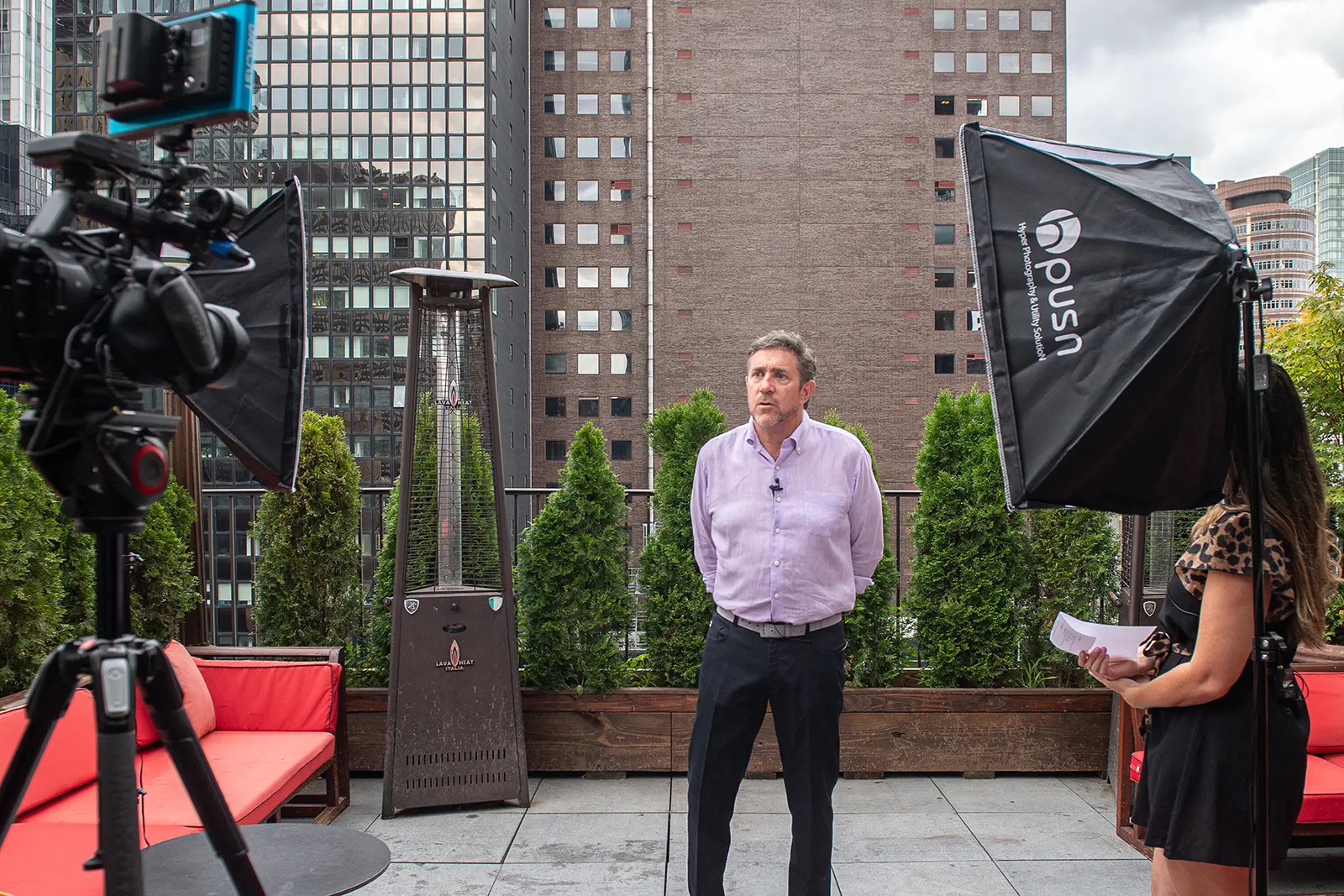
Corporate photography has quietly undergone a major transformation. Let’s talk about corporate photography and videography trends that we are seeing in 2026.
It is no longer about simply “covering” an event or delivering a folder of images. Today, photography and video sit at the center of branding, marketing, employer visibility, thought leadership, and long-term content strategy.
After nearly two decades working in corporate and event production in New York City, one thing is clear: modern corporate events are no longer just experiences. They are content ecosystems. And the way photography and video are planned and executed now directly shapes how a brand is perceived long after the room is empty.
For corporate event planners, this shift changes everything.
Below are the most important corporate photography and video trends influencing professional branding right now and what they mean for planners designing events in 2026 and beyond.
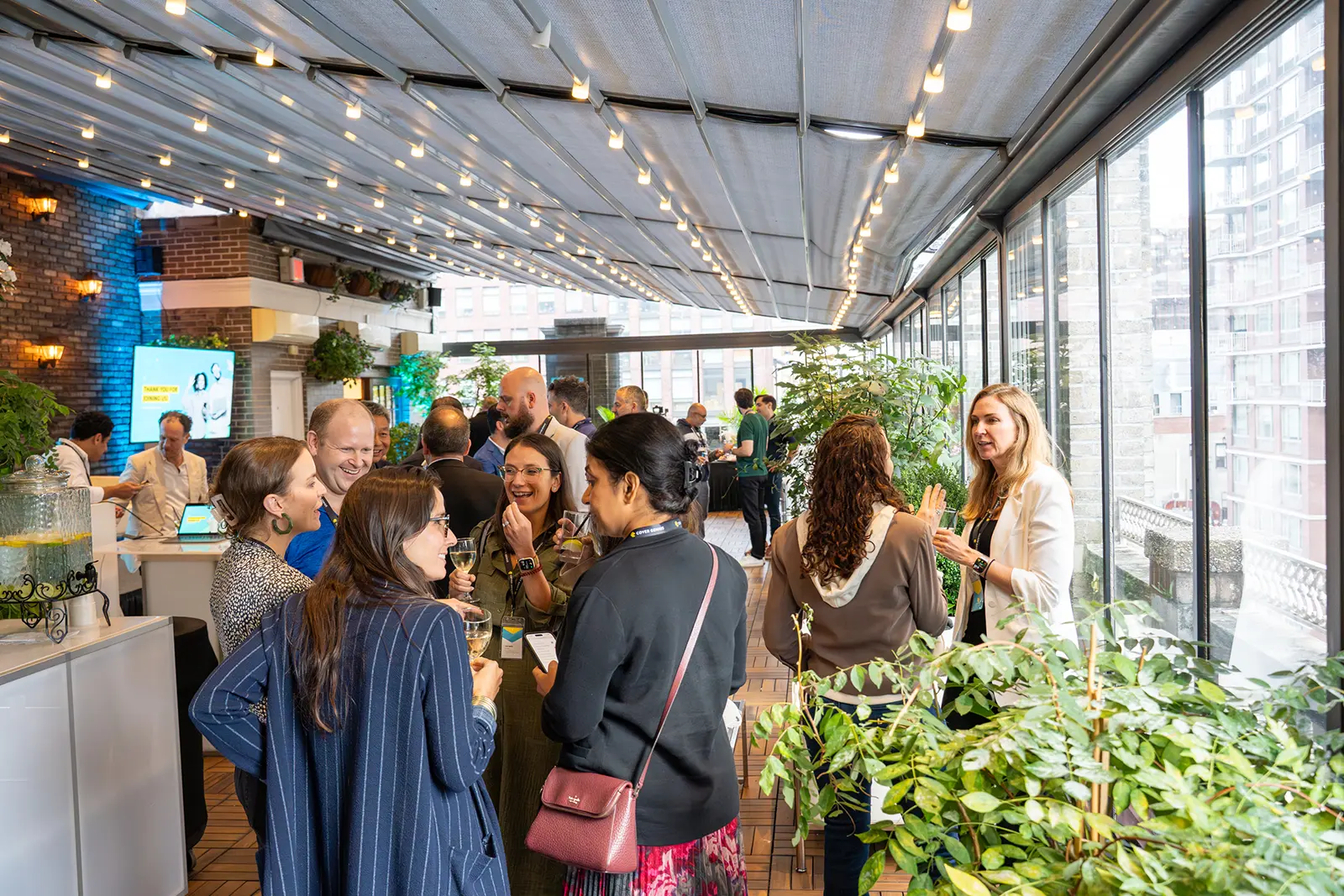
Corporate Photography Is Now Real-Time Marketing
Fast turnaround is no longer a premium add-on. It is the baseline expectation.
Brands now treat event photography and video as live marketing assets. Images are published immediately across LinkedIn, press releases, recap decks, internal communications, recruitment campaigns, and investor updates.
This has changed production models. Coverage is no longer passive documentation. It is active content creation.
For planners, this means photography and video must be integrated into the run-of-show itself—timed around key moments, executive appearances, brand reveals, and networking peaks. Crew size, editing workflow, access windows, and shot prioritization now directly affect marketing outcomes.
The most successful planners today are those who think like content producers, not just coordinators.

Events Are Becoming Pop-Up Branding Studios
One of the biggest shifts in corporate production is how companies are using events as centralized branding opportunities.
When teams are already flying in, dressed professionally, and gathered in a designed environment, brands are increasingly building full content capture strategies around their conferences and summits.
This often includes:
- Executive and leadership headshots
- Environmental portraits
- Interview stations
- Thought-leadership clips
- Employer branding content
- Internal communication videos
Instead of scheduling separate shoots, companies are turning events into high-output production days.
For planners, this creates enormous strategic value. Negotiating early venue access, allocating breakout rooms for filming, designing lighting-friendly spaces, and scheduling content blocks can transform a single event into a year-long content engine.
Personality Is Replacing Generic Corporate Imagery
The aesthetic of corporate photography is changing.
Brands — especially in tech, AI, finance, and startup ecosystems — want to look credible, but human. We are seeing growing demand for:
- Environmental headshots in real workspaces
- Three-quarter portraits that show posture and gesture
- Images where hands and interaction are visible
- Interview-driven video instead of scripted statements
Companies want their people to look dimensional, confident, and authentic—not interchangeable.
This places new importance on creative direction, pacing, psychology, and environment. Technical execution alone is no longer enough. The ability to create comfort, draw out personality, and align visuals with brand identity now defines professional-level work.
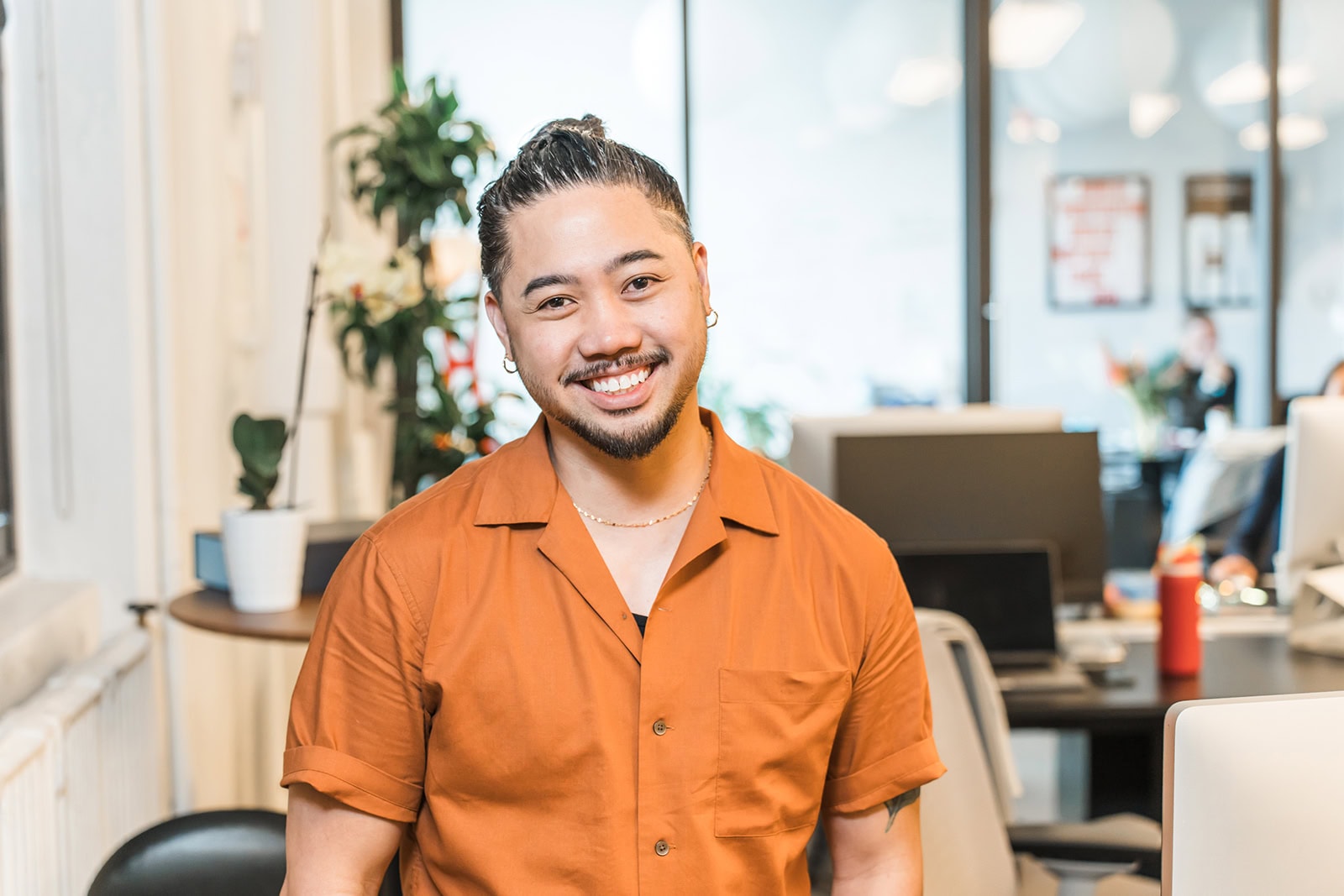
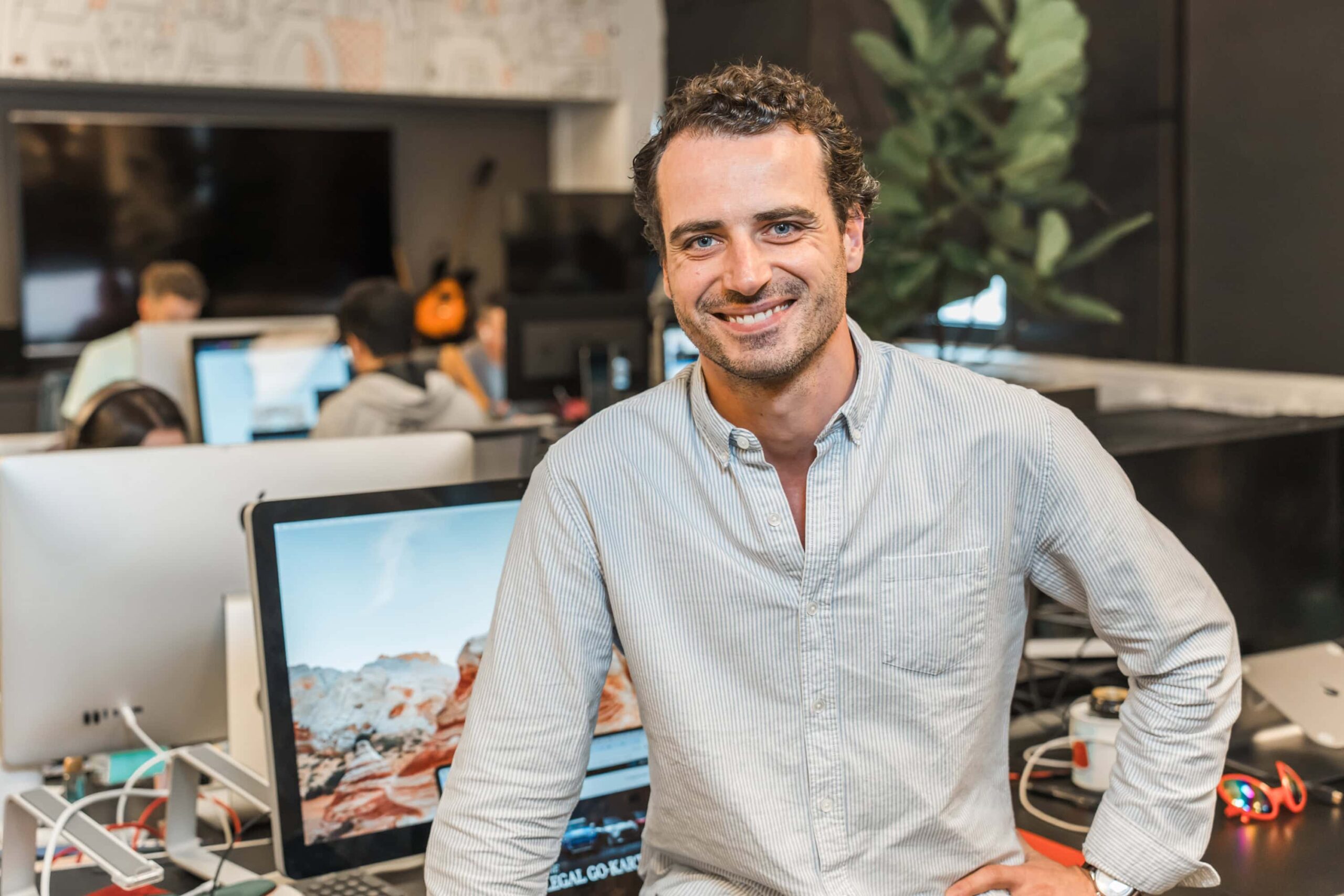
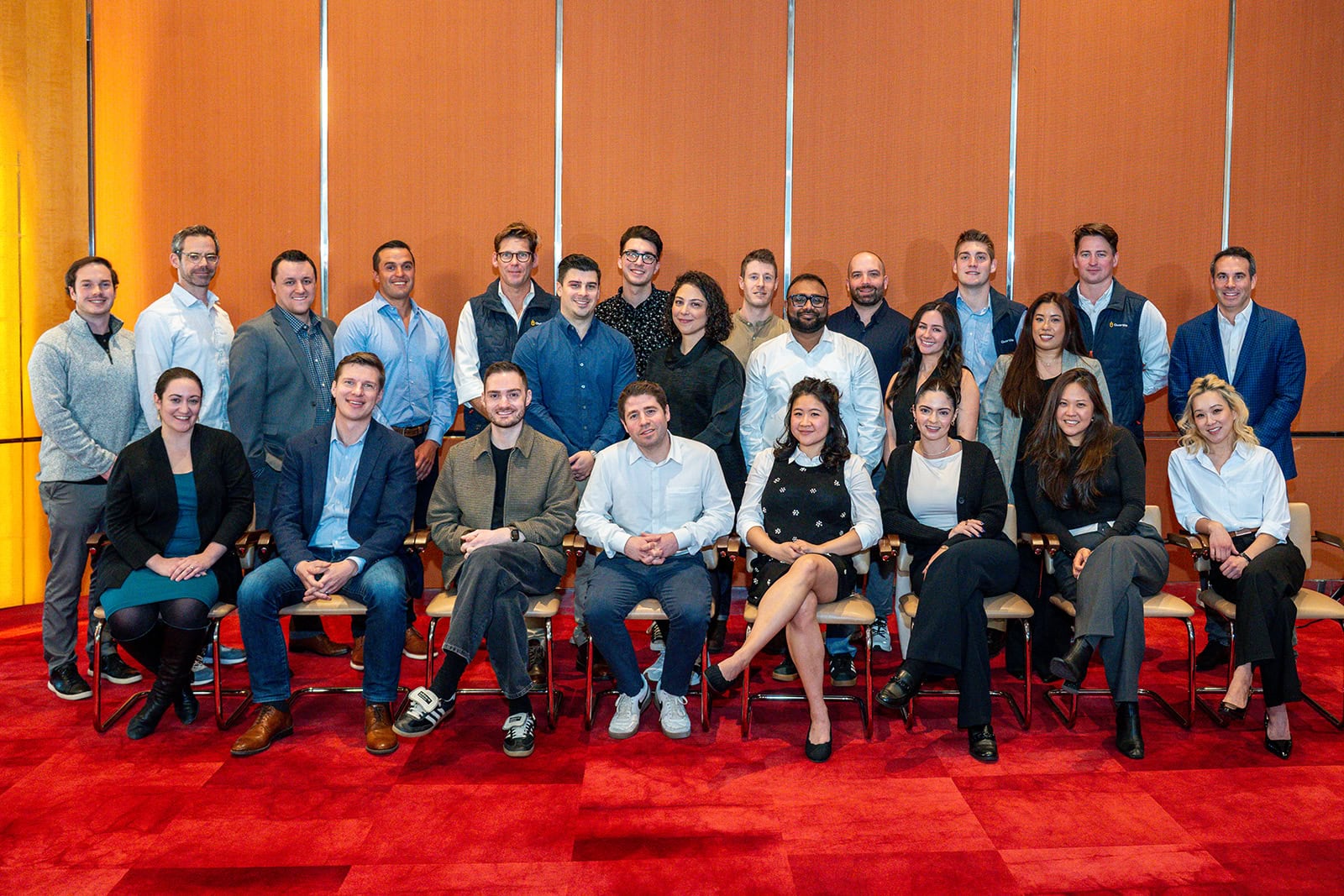
Here is an example, environmental heafshots at a tech startup office. Capturing the office culture, the environment, and the authentic personalities of the team members was important, even though the pictures may not appear 10/10 perfect in terms of lighting and composition.
Video Is No Longer Secondary
If photography has become strategic, video has become central.
Corporate events are increasingly designed to produce:
- Executive messaging
- Interview-driven content
- Evergreen marketing assets
- Employer branding videos
- Internal leadership communications
“Talking-head” style interviews are now one of the most requested services, both embedded into events and booked separately.
What has changed is not the format—it is the intention.
Brands are no longer just producing highlight reels. They are building content libraries.
This requires:
- Fully controlled lighting
- Professional sound capture
- Interview facilitation
- Thoughtful shot lists
- Clear post-production planning
Today’s most effective corporate videos often feel conversational rather than scripted. Authenticity consistently outperforms teleprompters. And planners who account for sound, space, and pacing are the ones delivering the strongest long-term value.
Planning Is Now the Competitive Advantage
The highest-performing corporate productions are no longer defined by camera models.
They are defined by preparation.
The difference between content that drives branding for years and content that sits unused almost always comes down to:
- Clear usage goals
- Brand color alignment
- Defined deliverables
- Scheduled filming blocks
- Dedicated content environments
- Realistic time allocations
Photography and video have become pre-production disciplines. When planners and production teams collaborate early, events evolve from experiences into brand infrastructure.
What Actually Matters Going Forward
AI will absolutely replace portions of the corporate headshot industry.
What it will not replace are the areas growing in value:
- Emotional intelligence
- Environmental storytelling
- Live interaction capture
- Leadership presence
- Trust-based interviews
- Brand nuance
Professional corporate photography is shifting away from “picture-taking” and toward visual brand architecture.
For event planners, this evolution creates leverage. Those who understand content strategy and production flow are no longer just executing events—they are shaping how organizations are seen, trusted, and remembered.
A Practical Reality Check for Event Planners
Photography Preparation
- Define goals, usage, and brand tone
- Build detailed shot lists
- Align wardrobe and environments with brand colors
- Invest in strong locations or professional studios
- Allow enough time for subjects to relax on camera
- Prioritize lighting quality over convenience
- Integrate content capture into the event timeline
In New York City, experienced professional photography typically begins around $1,200 for short sessions, with studios commonly ranging $80–$200 per hour with minimums. Parking, access windows, and early venue use often require advance negotiation.
Video Preparation
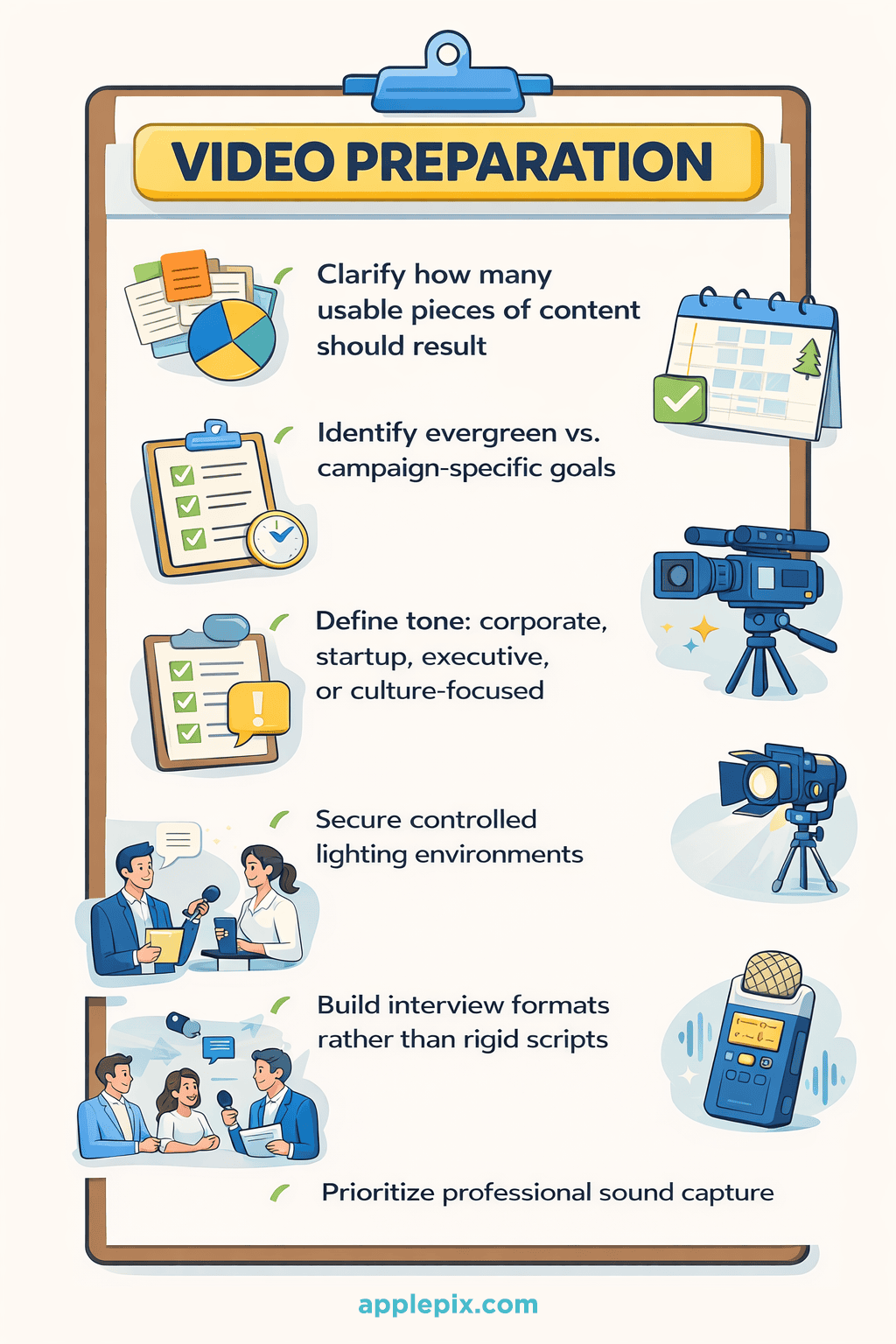
- Clarify how many usable pieces of content should result
- Identify evergreen vs. campaign-specific goals
- Define tone: corporate, startup, executive, or culture-focused
- Build interview formats rather than rigid scripts
- Secure controlled lighting environments
- Prioritize professional sound capture
In video, lighting control and audio quality shape brand perception far more than camera choice.
Why Controlled Studio Lighting Matters More Than Most People Realize
Lighting is the single most underestimated factor in professional corporate photography and video. Many clients are naturally drawn to bright studios with large windows and abundant sunlight, assuming this will automatically produce beautiful, high-end results.
Uncontrolled natural light is one of the biggest threats to visual consistency—especially for interviews and branded video content. Sunlight shifts constantly as clouds pass, time advances, and reflections change. Even during a five-minute interview, exposure, contrast, and skin tones can fluctuate noticeably.
The human eye may not register these shifts in the moment, but on camera they become distracting and impossible to truly fix in post-production. This is why professional studios designed for corporate branding rely on fully controlled lighting environments. Artificial lighting allows every frame to match, every subject to look consistent, and every edit to flow seamlessly. Controlled light creates reliability.
Take a look at the interview below. Notice how lighting can shift within seconds! Even the best production crew will not be able to compensate for such shift therefore a studio with lots of natural light is not always the best and most reliable choice.